

Driven by the dual forces of energy conservation and emission reduction as well as energy security, many countries around the world are actively promoting the use of biodieselhttps://heiautomation.com/product/ as a substitute for traditional diesel. For instance, in Southeast Asia, Indonesia has designated increasing the blending ratio of biodiesel as a key point of its national energy and industrial policies: since 2008, it has been gradually advancing in phases from low ratios (such as B2, B5) to higher ones. 2020
The advancement will reach B30° by the end of this year, to B40 on January 1, 2025, and is plannedhttps://heiautomation.com/ to reach B50 in 2026. Tests on the application of B100 will also be conducted on some power generation equipment.
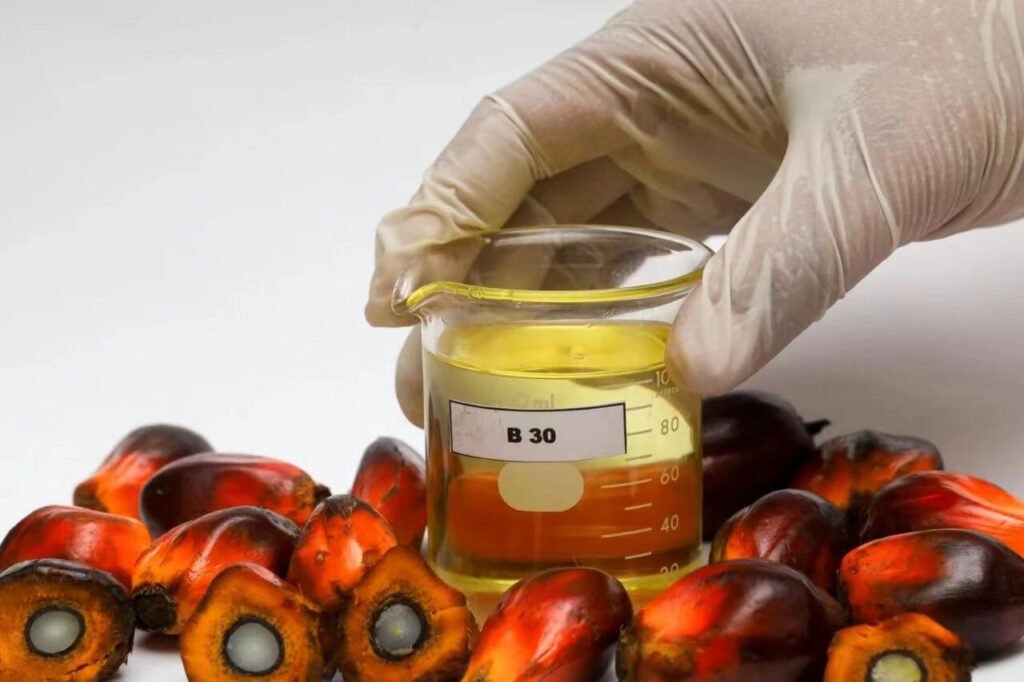
Although a high blendinghttps://heiautomation.com/contact-us/ ratio (>B20) helps achieve energy self-sufficiency, it also brings a series of technical challenges such as poor low-temperature fluidity, precipitation of monoglycerides, filter blockage, material compatibility issues, and decreased interfacial tension, which makes water removal difficult. This leads to corrosion/damage of the engine injection system, reduced equipment https://www.youtube.com/@%E6%9B%BE%E6%85%A7%E5%A9%B7-z6joperating rate, and a significant increase in maintenance and repair costs. To ensure the project proceeds as planned, additional equipment often needs to be purchased, further increasing capital expenditures.
For domestic OEMs that are actively expanding https://heiautomation.com/their overseas business and striving to enter the bio-diesel market, in the face of such harsh operating conditions in the Indonesian market, it is crucial to establish a stable and reliable engine fuel supply and filtration solution. Regarding
The application of high-blended biodiesel (especially palm-based FAME) requires the correct selection and effectivehttps://heiautomation.com/contact-us/ maintenance of dedicated biodiesel filters to ensure the long-term stable operation of engines and equipment.
The main challenges brought about by high-blending biodieselhttps://heiautomation.com/about/
Regarding the filtration of traditional fuel supply systemshttps://heiautomation.com/about/ designed for non-biodiesel or low-blending (≤B10) fuels, the large-scale high-blending applications in Indonesia have revealed the following drawbacks:The imbalance between filtration accuracy and flow resistance
Typical engines are often equipped with a combination of “10-micron coarse filter and 4-micron fine filter”. The cleanliness of Indonesian oil products is relatively low (measured average values are approximately 20/18/16 under actual conditions; 23/22/18). If the filtration strategy is not optimized, impurities in the oil will still enter the nozzle in large quantities. However, blindly increasing the filter size often leads to a “resistance wall” because the current B40 biodiesel used in Indonesia has a kinematic viscosity about 1.5 times that of ordinary diesel. Unoptimized filtershttps://studio.youtube.com/channel/UC5jh-_J8N51BACPDqMnnT6Q/videos/upload?filter=%5B%5D&sort=%7B%22columnType%22%3A%22date%22%2C%22sortOrder%22%3A%22DESCENDING%22%7D show significant design-exceeding resistance in the initial stage, resulting in reduced throughput and shortened service life.
The solution to the problem: Multi-level gradient particle filtration
A collaborative solution for water separation throughout the entire life cycle
Based on 20 years of practicalhttps://www.facebook.com/profile.php?id=100087291657130 experience in the application of biodiesel by Parker Hannifin, the following optimization plan is proposed for the Indonesian market.
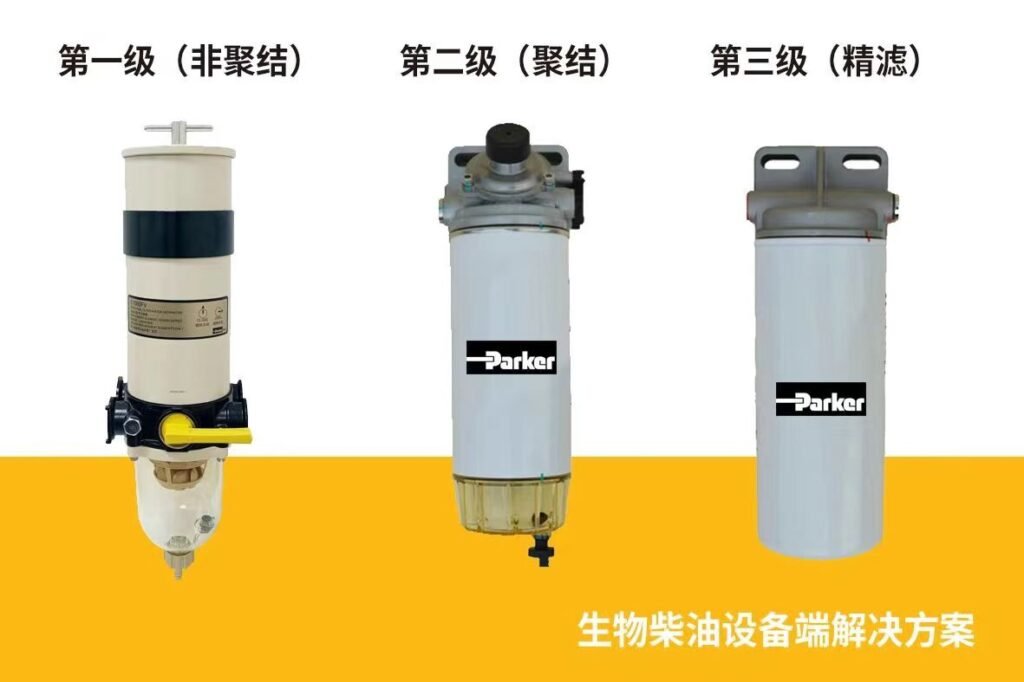
Multistage gradient particle filtration: Reducing the amount of particles entering and controlling resistance
Scheme structure: 2 levels of differenthttps://www.instagram.com/sunny.zeng5/ precision gradient coarse filtration + 1-2 levels of gradient fine filtration
Design logic: The local average oil cleanliness (without considering secondary pollution) can reach the ISO440620/18/16 (ISO4406) level, which is much higher than the industry ideal value (18/16/13). The traditional configuration of a single coarse filter and a single fine filter will allow up to 4 times more particles and contaminants to enter the engine in the same period.
Adaptation verification: After adding a 20-micron level to the coarse filter and https://www.facebook.com/profile.php?id=100087291657130upgrading to high-precision composite filter materials of 10 microns and 4 microns, the amount of impurity particles entering the engine within the same operating time decreased by more than 70%.
implement achievements:After implementing the aforementioned optimized filtering scheme,
the on-site tracking results
showed significanthttps://heiautomation.com/product/ improvement.
The average time between failures (MTBF) of the engine
increased from approximately 2,000 hours to over 4,500 hours;
The average maintenance interval was extended from 150-200 hours to 250-350 hours:
Although the annual procurement cost of filters increased due to the increase in the number of levels, the overall maintenance cost remained the same or decreased. From
With the extension of the fault-free operation time, the frequency of maintenance/replacement for key components such as nozzles has decreased. The estimated annual maintenance cost for a single piece of equipment can be saved by 10,000 to 30,000 RMB.
Construct a bio-diesel filtration concept covering the entire life cycle。
This case reveals the three key logics of the biodiesel https://heiautomation.com/about/filtration design:
Multi-level progressive filtration: Through a combination of different particle size levels, it achieves a balance between filtration efficiency and control of system resistance and filter life, thus achieving a balance between performance and durability.
Multi-level water separation: The pre-interception + coalescence combination can find the optimal compromise between cost and performance, ensuring long-term stable water separation capability.
Comprehensive cycle perspective: Design and selection should be centeredhttps://heiautomation.com/festo-cylinders-versatile-applications-across-various-industries/ on “ensuring the long-term trouble-free operation of the engine”, while also reducing the overall cost of ownership (TCO°) by extending maintenance cycles and reducing downtime costs.
As biodiesel and various synthetic fuels “rapidly gain popularity worldwide”, biodiesel filters are evolving from “low-value components” to “invisible guardians ensuring the stable operation of equipment”. The quality of the design and materials used directly affects whether the equipment can operate reliably and stably in a high-biodiesel blending environment for a long time. For markets in Indonesia and similar regions, systematic multi-level filtrationhttps://heiautomation.com/about/ and water separation solutions, material compatibility and maintenance strategies are the key to ensuring the “survival” and “cost reduction and efficiency improvement” of engines and equipment.
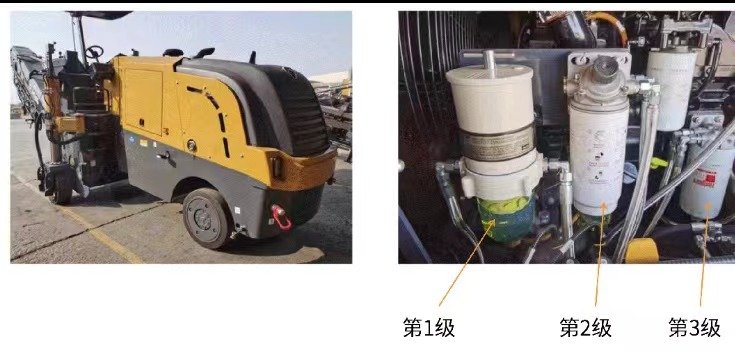
If the above solution is to be applied to specific vehicle models or equipment, Parkerhttps://heiautomation.com/contact-us/ Hannifin can conduct further filter selection, flow resistance simulation and economic assessment based on the actual oil cleanliness, operating temperature and equipment conditions.