
Take you on a quick tour of the distribution cabinet
PART 1:What is a distribution cabinet?https://heiautomation.com/product/
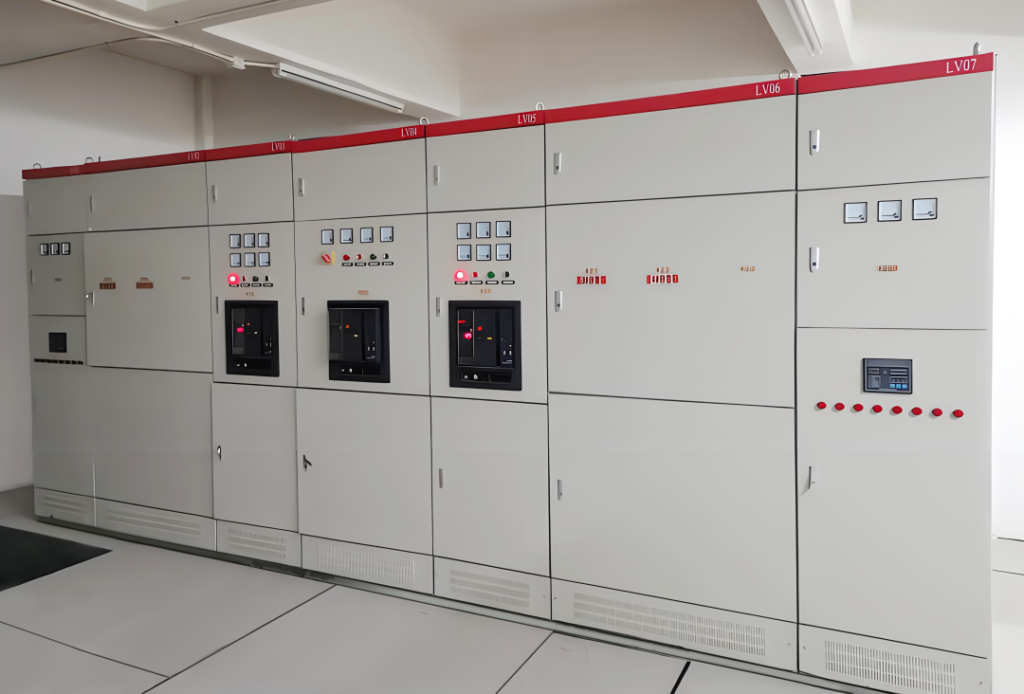
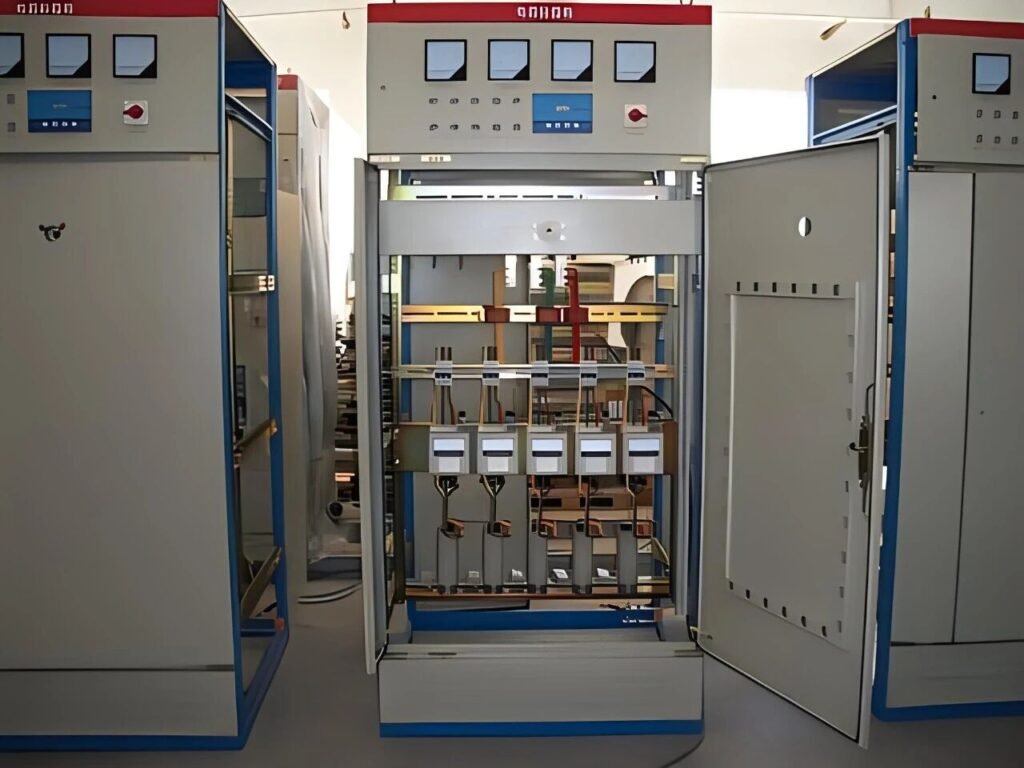
The distribution cabinet is an important device used for the distribution, control and protection of electrical energy.
Its main functions include:
Distribution of electrical energy: The distribution cabinet receives the electrical energy sent by the main power distribution lines and distributes it to various electrical devices through branch circuits.
Controlling electrical energy: The distribution cabinet can control the connection and disconnection of powerhttps://heiautomation.com/product/ supply to regulate and control the electrical energy, ensuring the normal operation of electrical equipment.
Protective devices: In the power system, distribution cabinets can be equipped with protection devices such as overvoltage, undervoltage, and overcurrent. In case of any abnormal situation, the distribution cabinet will automatically cut off the power supply to protect the electrical equipment.
PART 2:Classification of Distribution Cabinetshttps://www.youtube.com/@%E6%9B%BE%E6%85%A7%E5%A9%B7-z6j/shorts
Classified by structure:
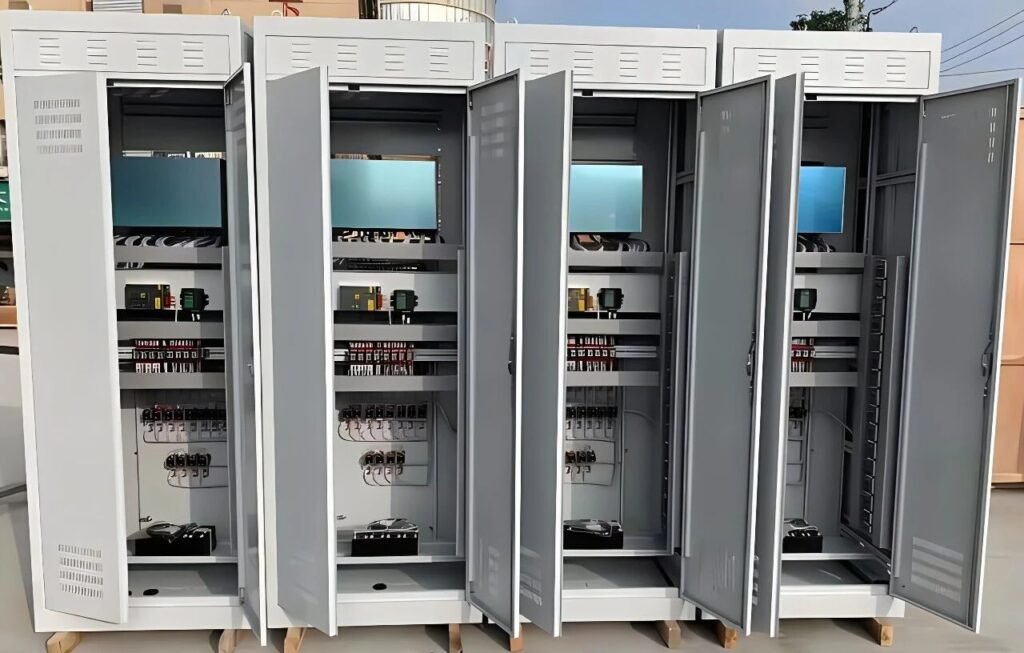
1) Protective type distribution cabinet
Also known as closed-type distribution cabinets, these cabinets are sealed by an insulating material enclosure except for the installation surface. Protective distribution cabinets can effectively protect the circuits and components.https://www.facebook.com/profile.php?id=100087291657130
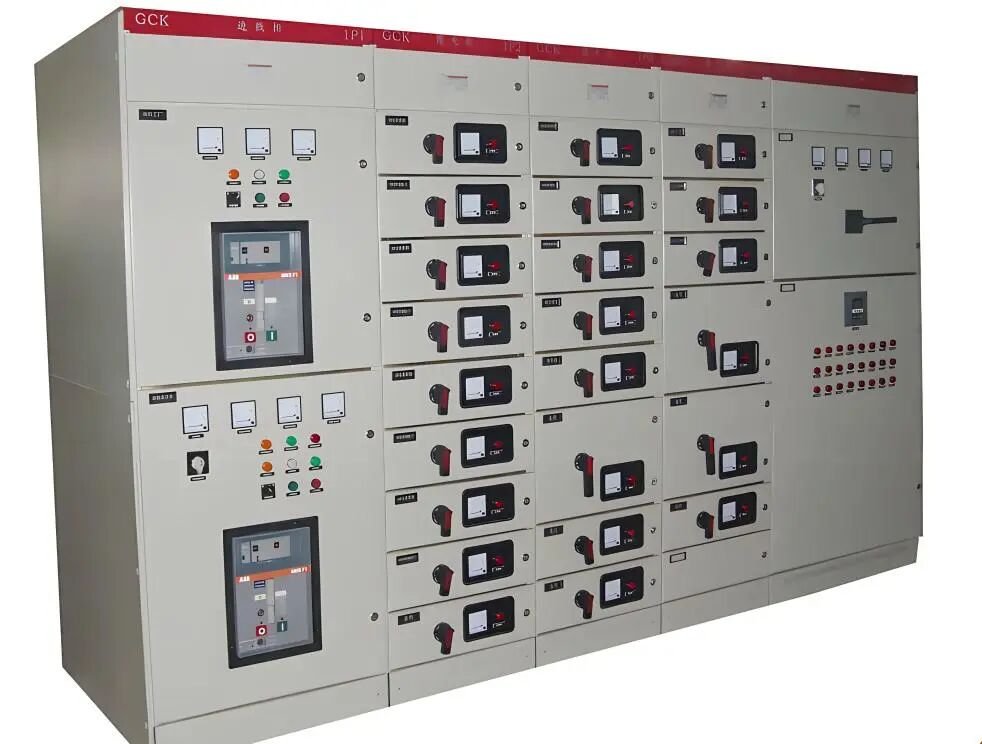
2) Drawer-type power distribution cabinethttps://heiautomation.com/
This type of distribution cabinet not only has a metal enclosed casing, but also its circuits and various components are installed in a pull-out form. It can be classified and managed according to different power supply tasks, such as shopping malls, office buildings, and high-rise buildings. It is a relatively advanced distribution cabinet.
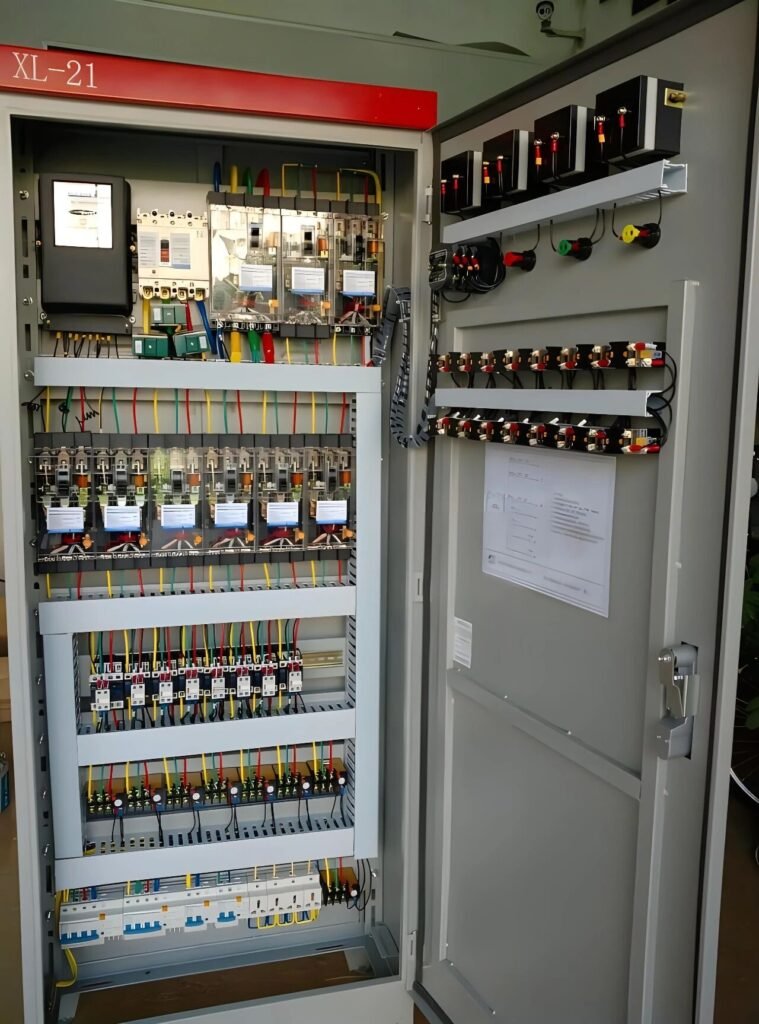
3) Power and Lighting Distribution Control Boxhttps://heiautomation.com/contact-us/
It is usually in a closed structure and is mostly used in industrial and mining enterprises. The protection level of its outer shell is determined by the usage environment and is mainly used in on-site power distribution and transmission devices in industrial and mining enterprises.
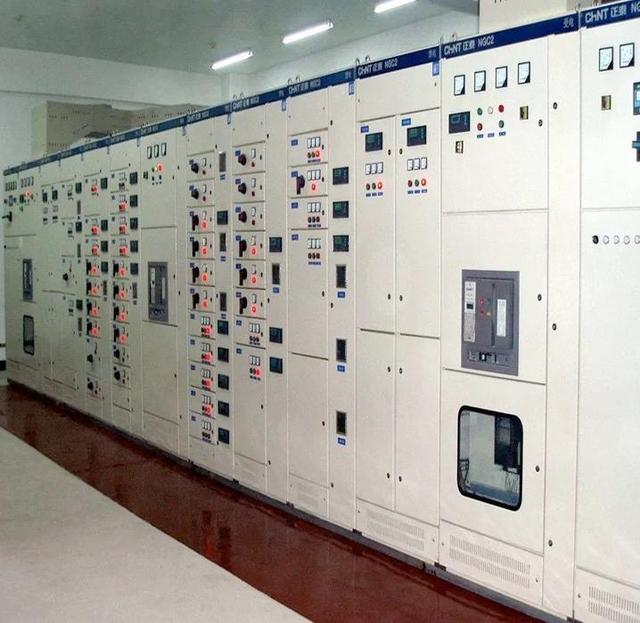
4) Panel-type distribution cabinethttps://heiautomation.com/about/
Also known as a switchboard, this type of distribution cabinet has a protective cover on the front panel, but no protective facilities on the other sides. The protection level is relatively low and it can only meet the power supply requirements of enterprises with relatively low demands.
By application category: Low-voltage distribution cabinets, medium-voltage distribution cabinets and high-voltage distribution cabinets are respectively used for power distribution and control in industrial, commercial and residential https://heiautomation.com/sectors; Power distribution cabinets and lighting distribution cabinets are used in different power-demand scenarios; Metering cabinets are used for power metering.
Classified by installation method: wall-mounted, front-mounted, drawer-type and fixed-type distribution cabinets. They vary depending on the installation location and usage environment.
Classified by control functions: automatic distribution cabinets, monitoring-type distribution cabinets and conventional distribution cabinets, respectively achieve automatic control, monitoring and management through industrial control systems, monitoring software and hardware.
Classified by installation location: indoor switch cabinets and outdoor switch cabinets, suitable for different environmental conditions.
Classified by the installation method of circuit breakers: it is divided into mobile switch cabinets and fixed switch equipment.
Classified by the insulation characteristics of the power distribution equipment: air-insulated switch cabinets, gas-insulated metal-enclosed (GIS) switch cabinets, and hybrid technology (MTS) switch equipment, etc.https://www.facebook.com/profile.php?id=100087291657130
Classified by voltage waveform: divided into DC switch cabinets and AC switch cabinets.
PART 3:Common types of cabinetshttps://heiautomation.com/
Power inlet cabinet: Controls the overall controller of the production process. For substations with voltage levels of 35 – 110 kV and above, the inlet cabinet refers to the transformer low-voltage (10 kV) switch cabinet, which is the first cabinet from the initial end where the output from the transformer’s low-voltage side is connected to the 10 kV busbar: it is called the inlet cabinet, also known as the low-voltage inlet cabinet.
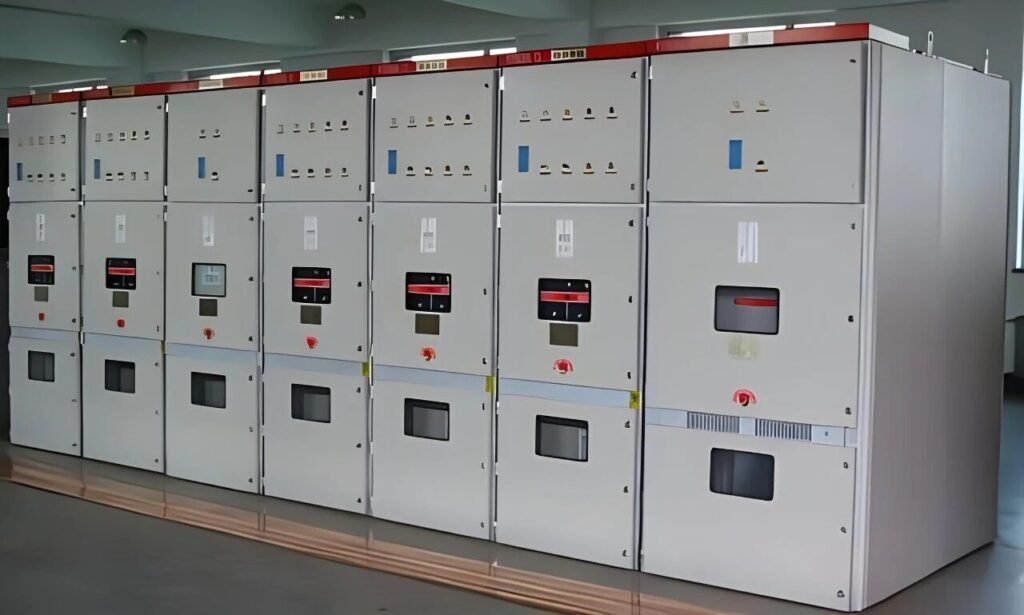
Outlet Switchgear: Controlshttps://www.instagram.com/sunny.zeng5/ the production of downstream equipment. It receives power from the 10kV busbar through the switchgear and delivers it to the power transformer. This switchgear is one of the 10kV outlet switchgears. An outlet switchgear is installed on the low-voltage side of the transformer to transfer the electrical energy through this switchgear to the low-voltage busbar. Then, several low-voltage switchgears are installed on the low-voltage side to deliver the electrical energy to various power-consuming areas. All these low-voltage switchgears are outlet switchgears.
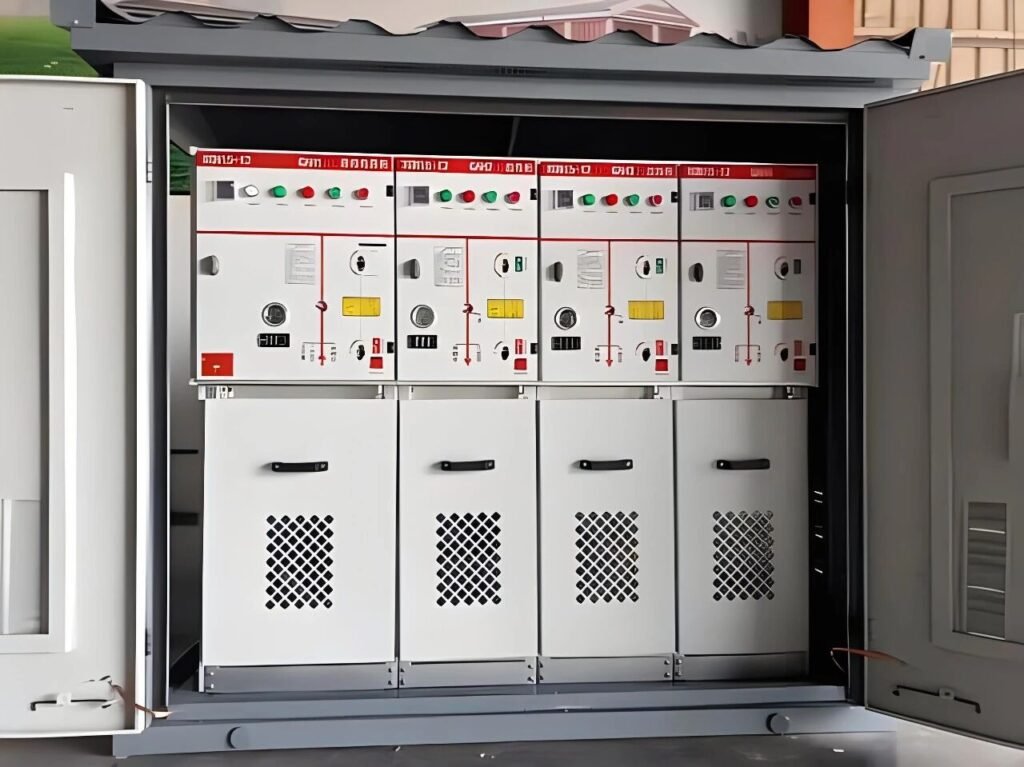
Metering cabinet: It is mainly used for measuring, monitoring and regulating https://heiautomation.com/product/electricity consumption to ensure the normal operation, safety and stability of the power system.
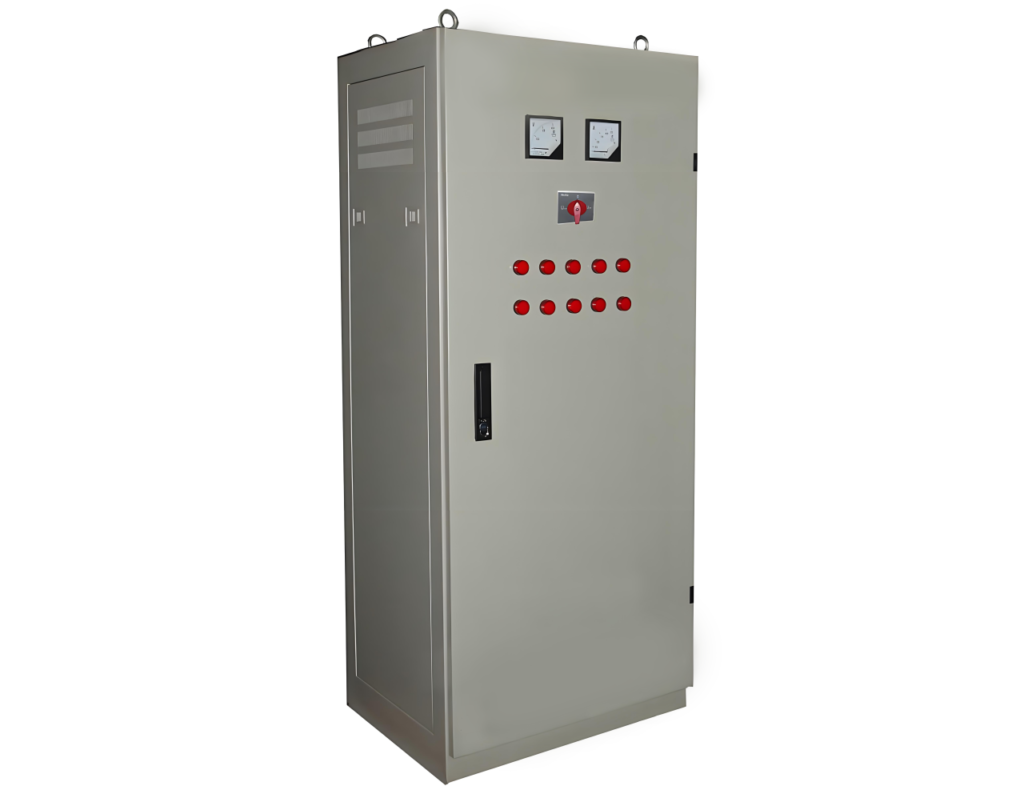
Bus tie cabinet: When the system has two power supply lines and the two lines serve as backups for each other, it is necessary to connect the main busbars of the two power supply lines. The switch cabinet that connects the two busbars at both ends is called a bus tie cabinet. Note: The bus tie cabinet and the two power supply line cabinets are generally not allowed to be closed simultaneously.https://heiautomation.com/product/
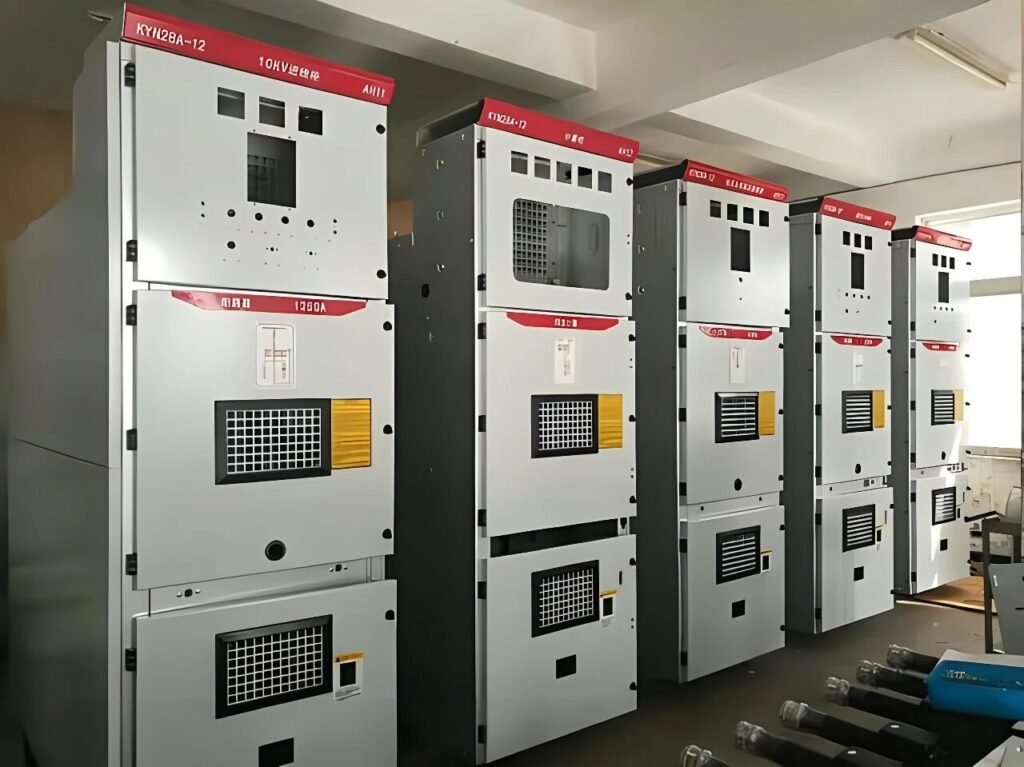
PT cabinet: Voltage transformer cabinet. Generally, a set of PT cabinets must be installed in the high-voltage system. Most of them are directly installed on the busbar to measure the busbar voltage and achieve protection functions. Its main function is for metering and protection.

Connection Box: It is used to connect several rows of low-voltage cabinets that are powered by several transformers. That is, if one transformer fails, another transformer can be used to power the other rows of low-voltage cabinets.https://heiautomation.com/about/
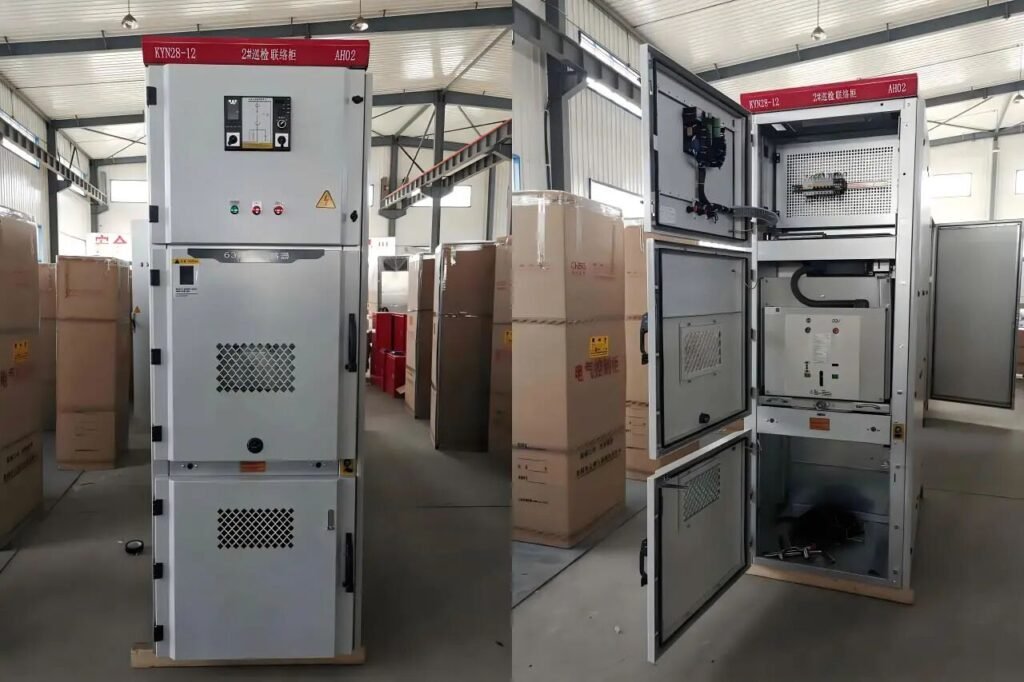
Ring main unit: The power supply main line forms a closed loop. The power supply source supplies power to this looped main line, and then the power is distributed to various areas through high-voltage switches along the main line.https://heiautomation.com/festo-cylinders-versatile-applications-across-various-industries/
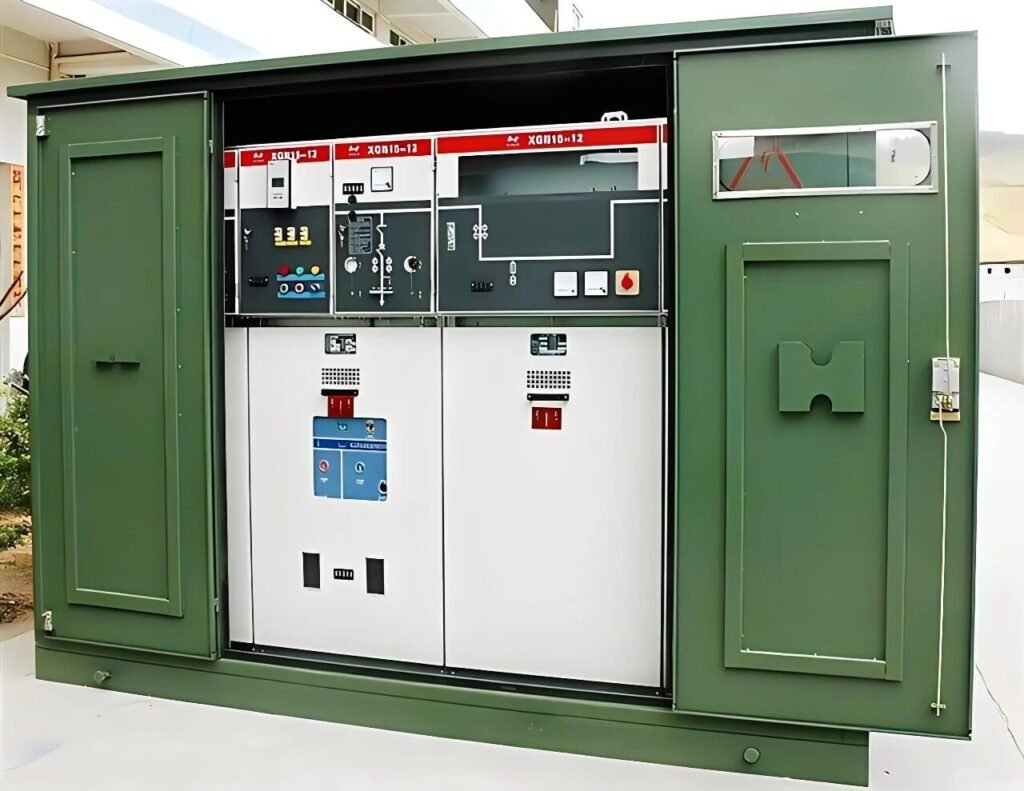
DC panel: Converts alternating current into direct current, providing power supply for the protection and operation mechanisms of electrical secondary equipment as well as the indicator lights.https://heiautomation.com/product-category/eh/

Frequency converter cabinet: A control cabinet that uses a frequency converter to drive the power device.https://heiautomation.com/contact-us/
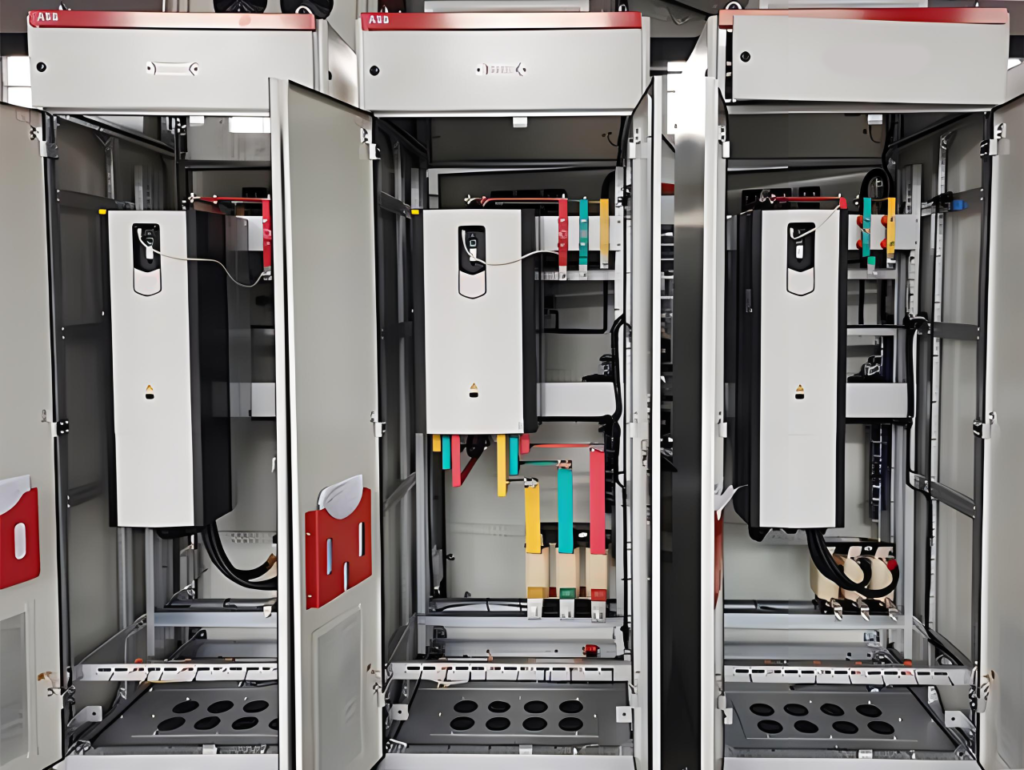
High-voltage switch cabinet: It consists of two major parts: the cabinet body and the circuit breaker. It is one of the important distribution equipment in the power system, mainly used for controlling, distributing and protecting high-voltage power sources.
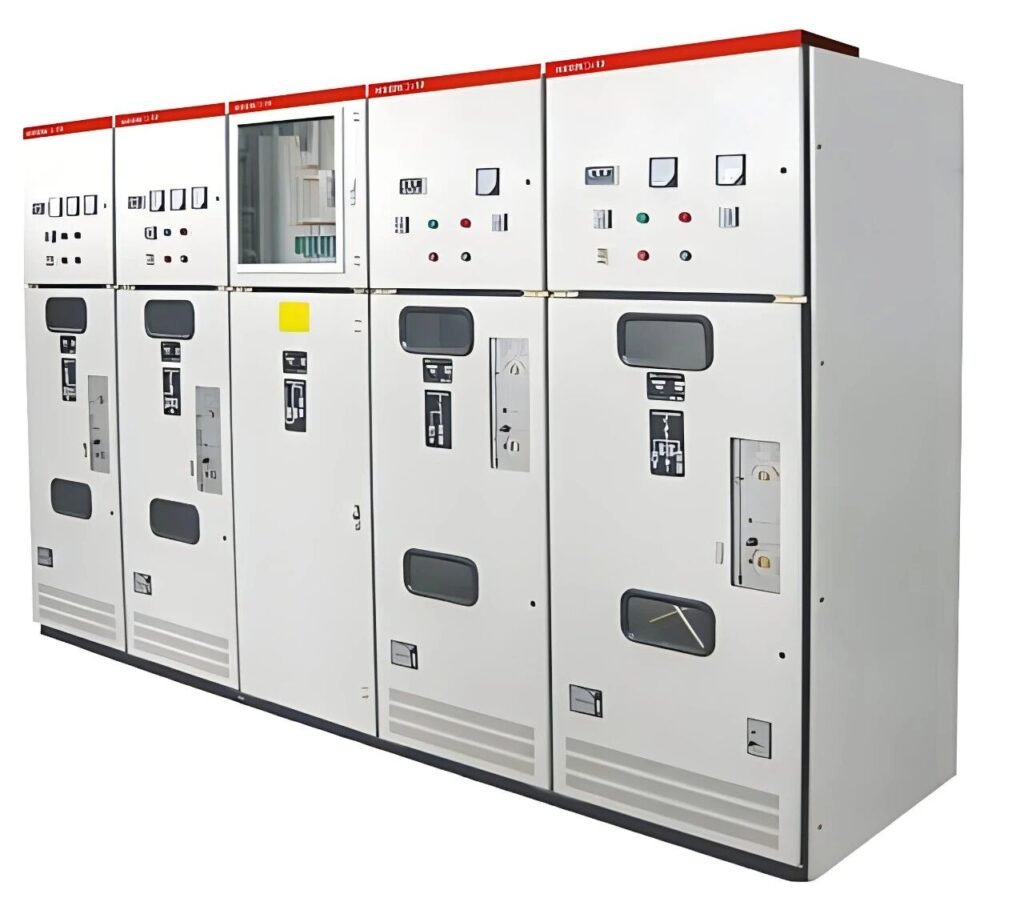
Centralized cabinet: A type of power distribution equipment that supplies power to the low-voltage distribution panel, and can also monitor, protect and control the low-voltage power supply. The upper layer: busbar and instrument room; the middle layer: circuit breaker room; the lower layer: cable room.
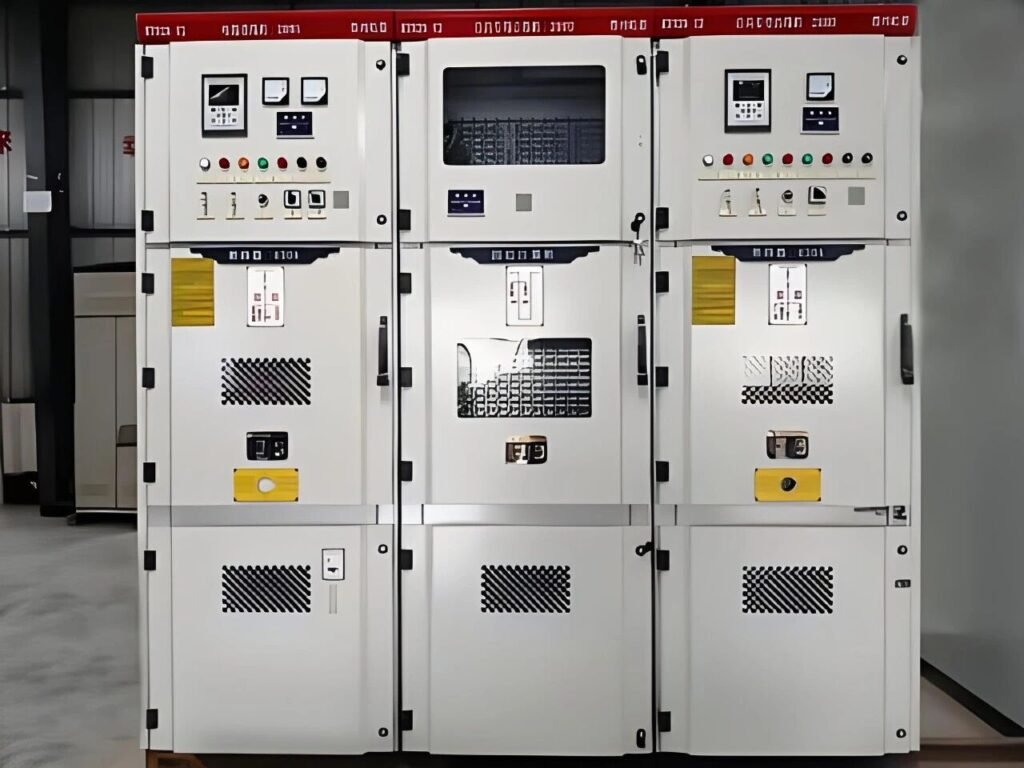
Power cabinet: Through the opening and closing of circuit breakers and cables, it realizes the supply of power to the downstream.https://www.youtube.com/@%E6%9B%BE%E6%85%A7%E5%A9%B7-z6j/shorts
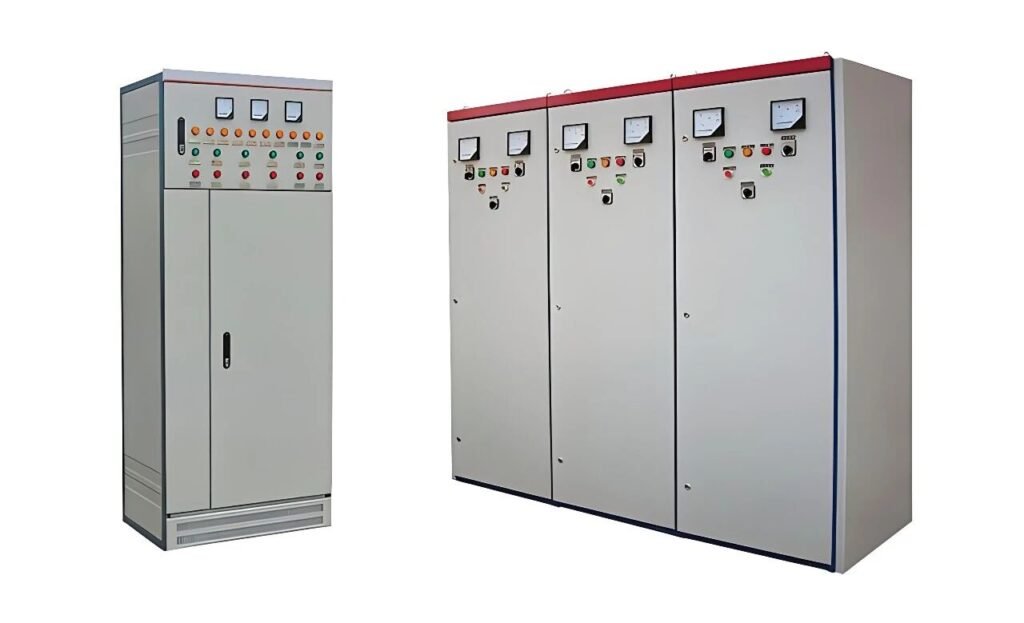
Capacitor cabinet: A type of distribution equipment used in power systems to improve power factor and voltage quality. A group of capacitors connected in parallel, the switching control circuit, and protective electrical appliances such as fuses.
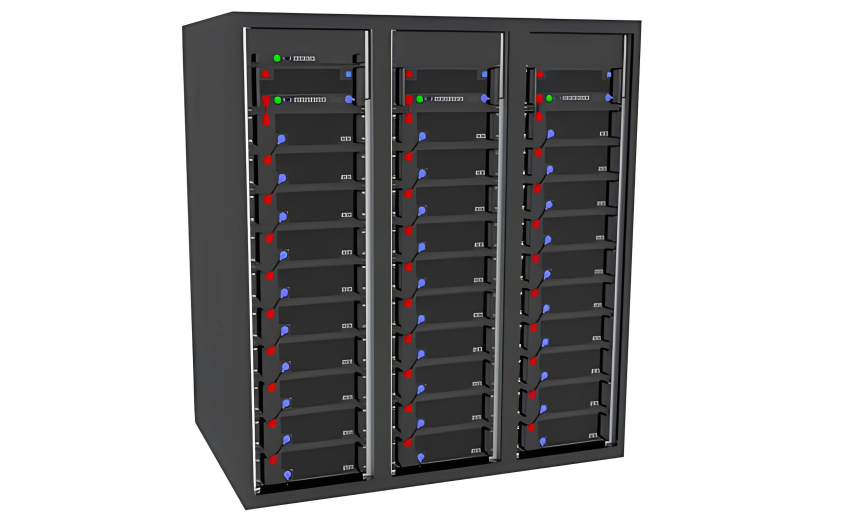
Battery cabinet: A type of power distribution equipment used for storing batteries, controlling their charging and discharging, and protecting them.
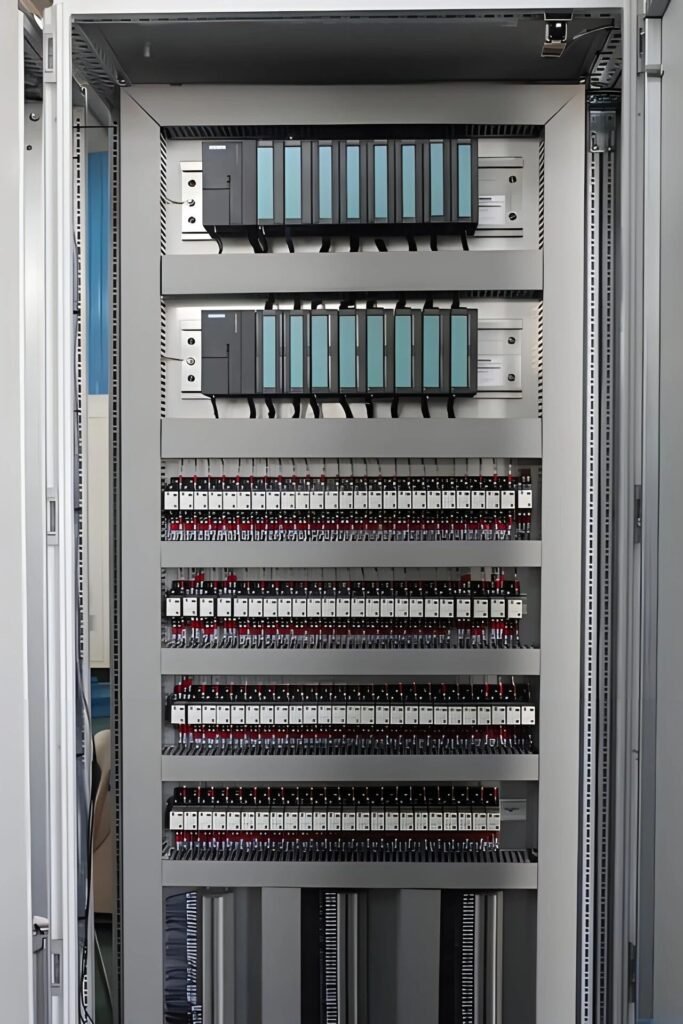
PLC cabinet: A type of control cabinet used in industrial automation control systems, mainly for housing integrated control systems consisting of industrial computers and PLCs. It is responsible for the conversion, collection, judgment and control of electrical signals and digital signals.
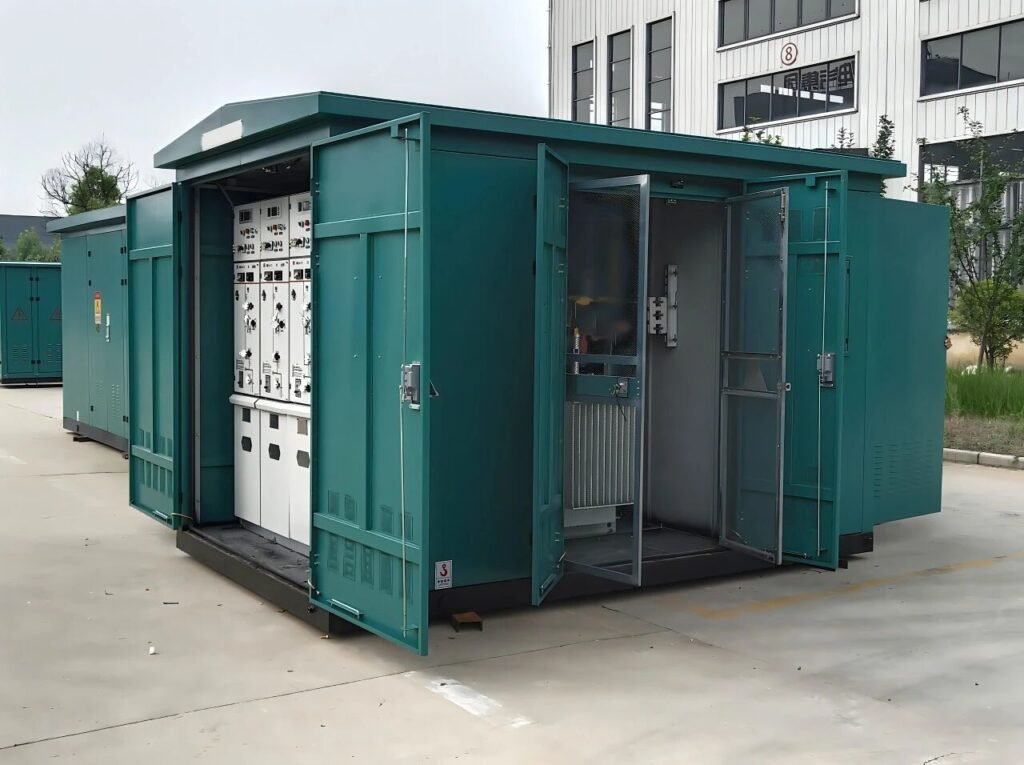
Box transformerhttps://heiautomation.com/: The structure consists of a high-voltage room, a low-voltage room, and a transformer room. Compact box transformers can incorporate all three distribution rooms into a single box, while independent box transformers can be placed separately in different boxes.
A box-type transformer is a compact all-in-one distribution device that integrates a high-voltage switchgear, low-voltage switchgear, electric energy metering equipment, reactive power compensation devices, an integrated automation system, communication, remote control, metering, capacitor compensation, and DC power supply, and combines these electrical units into one or several boxes.https://heiautomation.com/